
When Carried-Forward VAT Accumulates Somewhere
What is VAT Refund, Who Can Claim It?
Not every carried-forward VAT is refundable. We explained the operations that create the right to a refund, why the process is document-heavy, and the role of pre-accounting here.
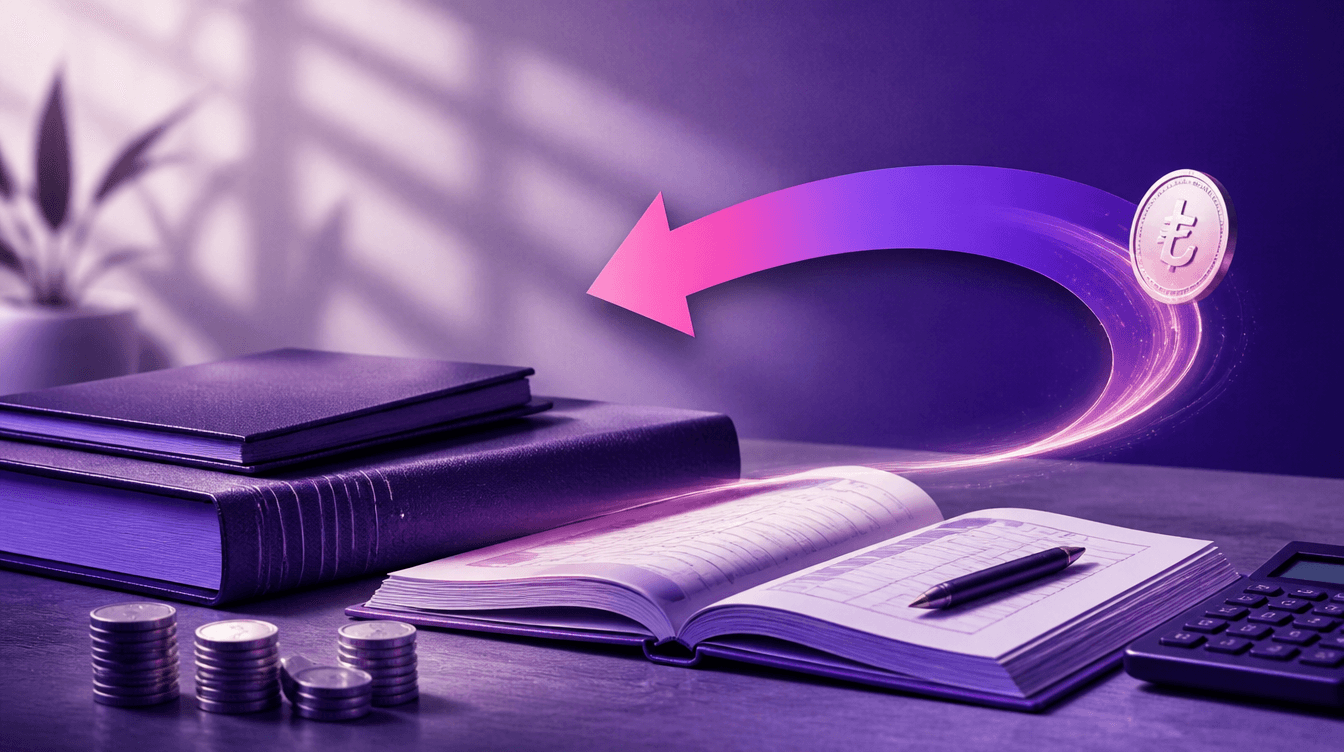
Every month, the "VAT carried forward" line on your tax return grows larger. The VAT on your purchases is higher than on your sales, and the remaining amount keeps accumulating.
The first question that comes to mind is: can I get this money back? In most cases, the answer is no — but yes, if you carry out certain transactions.
VAT carried forward is not the same as a refund
The normal operation of the VAT system works like this: you collect VAT when you sell (calculated VAT), and you pay it when you buy (deductible VAT). You pay the difference between the two to the state.
If the deductible VAT is larger, the difference is carried forward — meaning it is transferred to the next month and deducted from that month's calculated VAT. This is not a receivable, but a right of offset.
Under normal conditions, VAT carried forward cannot be requested back in cash. It simply waits and melts away when your sales increase in the future. For businesses that invest, grow their inventory, or operate seasonally, this wait can take a long time.
Under what circumstances does the right to a refund arise?
A refund is a correction mechanism designed for situations where you cannot collect VAT but have paid it. The main cases are:
- Exports. Sales of goods abroad are exempt from VAT. You do not collect VAT when selling, but you have paid VAT while producing or purchasing that goods. The burden in between becomes the subject of a refund.
- Service exports. A similar mechanism applies to services provided to customers abroad and utilized there.
- Transactions subject to withholding tax. In transactions where a portion of the VAT is paid by the buyer in the capacity of a responsible party, a refund may arise for the seller.
- Transactions subject to reduced rates. For businesses that make sales at 1% or 10% rates and receive inputs at a 20% rate, the right to an annual refund may come into agenda.
- Deliveries within the scope of specific exemptions. Special regulations such as machinery deliveries with investment incentive certificates.
The common point: there is no VAT or low VAT on sales, but there is on purchases. This asymmetry creates the right to a refund.
We covered the export invoicing flow in a separate article, and service exports here.
Two paths: offsetting and in cash
| Offsetting refund | Cash refund | |
|---|---|---|
| What happens | Credited towards your other tax and premium debts | Paid to your bank account |
| Process | Relatively fast | Longer and audited |
| Collateral / report | Varies by amount | A CPA report or collateral may be required above a certain amount |
For small businesses, offsetting is generally more practical: it is credited towards your SSI premium or corporate tax debt, reducing your burden without creating cash flow.
Why does the process require so many documents?
Because a refund is a transaction where the state pays out money. Naturally, the burden of proof is kept high.
Typically requested items: list of incurred VAT, list of deductible VAT, list of sales invoices, customs declaration (for exports), and a refund application petition. Most of these are submitted electronically through the system.
The critical concept here is incurred VAT: the VAT on inputs directly related to the transaction subject to the refund. In other words, not the VAT on all your purchases, but the VAT included in the cost of the goods entering that export. To make this distinction, your purchase invoices must be traceable in the records regarding which transaction they are related to.
What does pre-accounting do here?
Your financial advisor prepares the refund file. But the raw material of the file is your records, and missing records directly mean delays.
In a business with a refund process, pay attention to the following in pre-accounting:
- Ensure all purchase invoices are recorded. An unrecorded purchase invoice means a missing line in the incurred VAT list — which directly reduces your refund amount.
- Keep documents archivable. Document submission may be requested during a refund audit. We explained the timeframes in our e-document retention obligation article.
- Match export invoices with customs declarations. Invoice number, date, and amount consistency are where issues arise most frequently.
- Keep inventory movements traceable. Have an answer ready when asked which goods were exported and which purchase they came from.
Managing expectations
A refund is not an item to rely on when planning cash flow. The process can take months, the amount may decrease during the audit, and the file may be returned due to missing documents.
If you are going to write a refund into your cash plan, use a realistic date and a conservative amount. When setting up a cash flow table, keeping this item on a separate line with an uncertainty note will serve you well.
Frequently asked questions
I only have VAT carried forward, can I get a refund?
If there is no transaction that gives rise to a refund right, no. VAT carried forward melts away by being offset in future periods.
Does applying for a refund create an audit risk?
The refund process already includes its own control mechanism. If your records are in order, this is not a risk, but a routine process.
Is a CPA report mandatory for a refund?
It varies depending on amount thresholds and refund types. Reports may not be required for applications below a certain limit. Ask your financial advisor for your own file.
How long does it take for the refund amount to arrive?
It varies based on the completeness of the file and the refund type. Offsetting generally yields faster results. No exact time commitment can be given.
In summary: refunds exist not for every accumulated VAT, but for transactions where you cannot collect VAT on your sales. If you have the right, the strength of your file comes from the orderliness of your records.
By opening a free account on Qolay.App, you can fully record your purchase and sales invoices and store your documents in a single place.
This article is for general informational purposes. Refund conditions, amount thresholds, and document lists may change; the official source is the Revenue Administration (GİB). Handle your file with your financial advisor.
Related articles
Other guides close to this topic.
How to Make VAT Tracking Easy?
How to Avoid Surprises at the End of the Month
Trying to collect VAT at the end of the month is both stressful and prone to errors. We explained the difference between calculated and deductible VAT, the benefits of seeing the situation mid-month, and the most common mistakes.
Issuing E-Invoices on Mobile
The Difference of Invoicing Right Where the Work Finishes
Finishing a field job and issuing the invoice back at the office delays collection by that exact same duration. We explained the mobile e-invoicing workflow, what can be done on your phone, and what remains on the web.
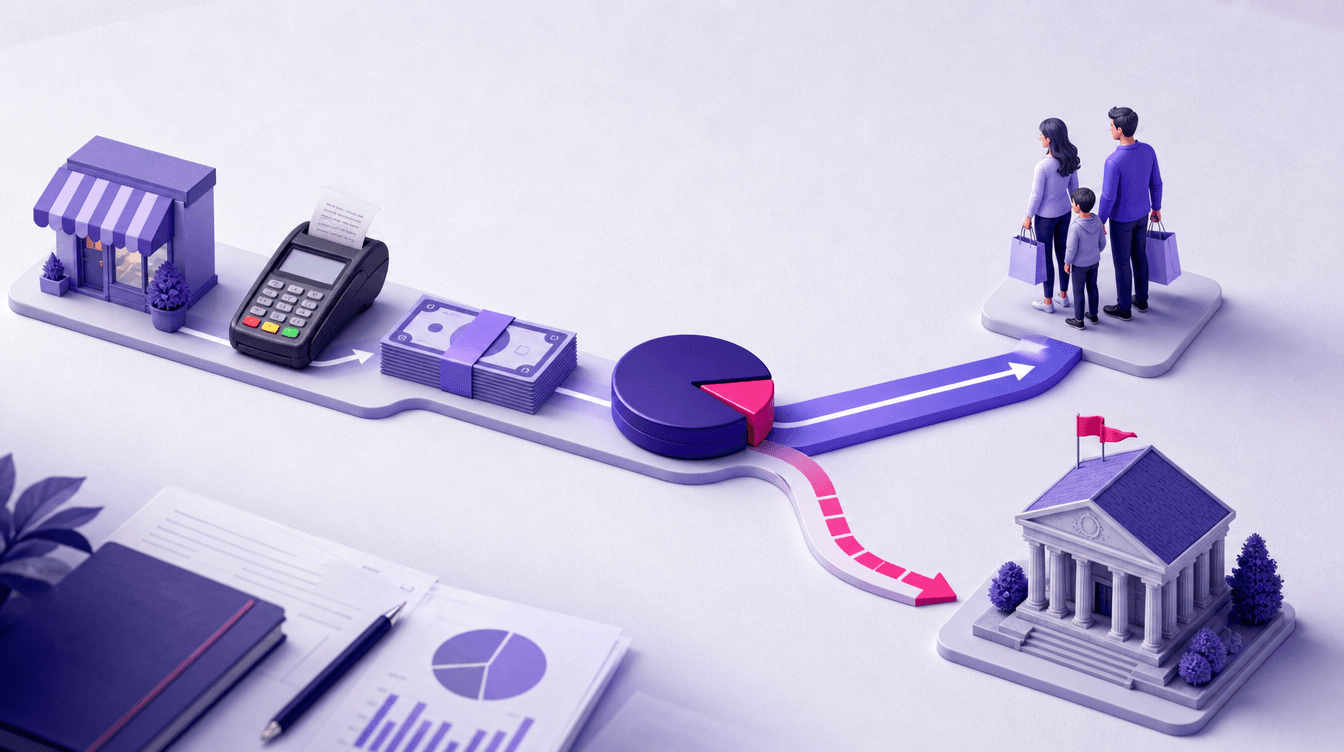
What is Withholding Tax, Who Pays It?
If the Payer Deducts It
Withholding is a system where the taxpayer and the deducting party are separated. We explained with examples how it works in rent, self-employment, and salary payments.