

Guide to Waybills, Stock Movements, and Withholding Invoices in Subcontracting
Manage all pre-accounting and legal steps in your subcontracting processes, from raw material shipment to withholding invoicing, with this guide.
On this page
Why Is Accurate Pre-Accounting Management Vital in Subcontracting?
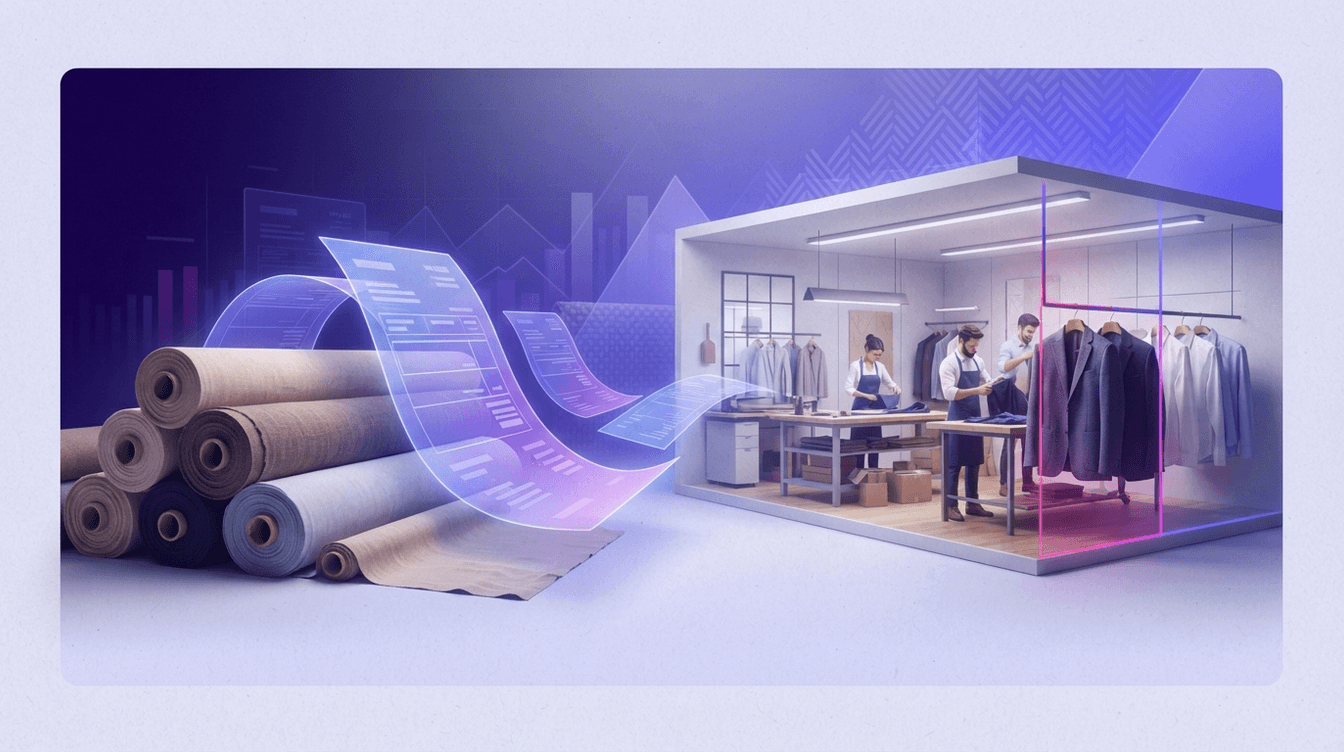
For SMEs and manufacturers operating particularly in the textile, ready-to-wear, metal processing, and packaging sectors in Turkey, subcontracted manufacturing operations are an indispensable part of the daily workflow. When completing every stage in-house is costly or impossible, sending semi-finished goods or raw materials to external workshops, having them processed there, taking them back, and presenting them to the final consumer creates a complex process. In this process, not only physical production tracking but also financial and legal operations must be carried out flawlessly.
An incorrectly issued waybill, erroneous recording of stock movements in current accounts, or applying incorrect VAT withholding on an invoice may lead you to face serious penalties before GİB. Knowing the subtleties of subcontracting accounting is essential to protect your business's cash flow, clearly see your costs, and avoid problems during audits. In this comprehensive guide, we will cover all stages step by step, from raw material output to return from the workshop, from labor invoicing to legal responsibilities.
Especially in growing businesses, when there is more than one subcontracting workshop, manual tracking inevitably becomes prone to errors. Details such as the number of parts sent to workshops, processing times, workshop-based scrap rates, and progress payment calculations demonstrate once again how critical the pre-accounting infrastructure is. SMEs taking digitalization steps can minimize this complexity thanks to cloud-based software.
Basic Legislation and Conceptual Framework in Subcontracting
Subcontracted manufacturing, by its basic definition, is the process of having a good exclusively processed, transformed, or completed by third parties called manufacturers or subcontractors in exchange for a certain fee. In this process, ownership generally remains with the main company (the business using the service); the subcontractor only produces a service and issues a labor invoice. To understand the legal and financial aspects of this relationship, the following basic elements must be paid attention to:
- Protection of Ownership: Raw materials or fabrics sent to the workshop are not considered sold; they are dispatched to be temporarily processed.
- Nature of Service: The subcontractor does not sell goods; they offer an externally provided labor and transformation service.
- Withholding Application: According to tax legislation, applying VAT withholding is mandatory in certain service groups (textile and apparel labor, etc.).
- Document Order: All shipments must be documented with a legally valid dispatch waybill.
Particularly when performing cost tracking for fabrics, accessories, and subcontracting in textile and apparel workshops, correctly reflecting each of these elements in your pre-accounting software directly affects the accuracy of your cost analyses.
Subcontracting Process and Document Flow Table
You can clearly follow from the table below which document needs to be issued at which stage in subcontracting and how stocks are affected:
| Process Step | Document to be Used | Stock and Accounting Impact |
|---|---|---|
| Sending Raw Materials to the Subcontractor | Subcontracting Waybill ("To Be Processed") | Deducted from the main warehouse, transferred to the subcontractor stock account. |
| Receiving Finished Goods Back | Subcontractor Waybill ("Return Waybill") | Removed from the subcontractor stock account, enters the finished goods warehouse. |
| Invoicing the Service Fee | Subcontracted Labor Invoice with Withholding | Recorded in expense / cost accounts, VAT withholding is calculated. |
| Scrap and Scrap Material Reconciliation | Scrap Report / Consumption Protocol | Deducted from stock within legal limits, added to cost. |
| Sending Accessories / Auxiliary Materials | Labor Completion Waybill | Dispatched to the relevant sub-warehouse, its consumption is tracked. |
As can be understood from the table, subcontracting processes are completely different from standard purchasing-sales transactions. A labor invoice is issued instead of a sales invoice, and indications stating that ownership does not change are included in goods shipments.
Realistic SME Case Scenario: An Example Textile Workshop Process
To reinforce theoretical knowledge, let's examine the operation of an Istanbul-based SME named "ModaTekstil A.Ş.", which produces 50,000 shirts annually. The company has agreed with "Özen Subcontracting Workshop" in Güngören for the sewing and packaging stage.
Step 1 (Raw Material Shipment): ModaTekstil sends 2,000 meters of fabric and 10,000 buttons to the workshop. The issued e-waybill includes the following note: "Fabric and accessories sent to the subcontractor to be processed. Ownership belongs to our company; it is not a sale." In the pre-accounting program, these goods are deducted from the "Main Warehouse" and transferred to the "Özen Subcontracting Workshop Warehouse".
Step 2 (Production and Scrap Tracking): At the end of a 10-day production period, the workshop produces 1,800 shirts using 1,950 meters of fabric. The remaining 50 meters of fabric is reported as cutting scrap. Since ModaTekstil management determined the legal scrap rate as 3% (60 meters), a 50-meter scrap is considered normal and deducted from the relevant cost center in the system.
Step 3 (Return and Invoicing): The workshop sends 1,800 finished shirts back to the main company with a return waybill. Then, it issues a subcontracted labor invoice of 30 TL per unit, totaling 54,000 TL + VAT. A 5/10 withholding is applied on 20% VAT in the invoice: While total VAT is 10,800 TL, 5,400 TL withholding is deducted, and the net amount to be paid is calculated and recorded in pre-accounting.
Step-by-Step Subcontracting Tracking and Application Guide in Pre-Accounting
To manage subcontracting manufacturing processes without errors in your business, you need to set up a correct workflow in your pre-accounting software. You can secure your operations by following the steps below:
- 1. Define Warehouses: In addition to your main warehouse, define virtual or physical sub-warehouses named "Subcontractor Warehouses" in your software. When you send goods, transfer them to the warehouse of the relevant workshop.
- 2. Pay Attention to Waybill Explanations: The answer to the question what is an e-waybill and how is it issued becomes critical at this point. Be sure to add the note "To Be Processed" or "Goods Sent to Subcontractor" on the shipment waybill.
- 3. Monitor Scrap and Scrap Rates: Keep your cost calculations up to date by deducting fabric or material scrap, which is inevitable during production, in pre-accounting.
- 4. Check the Invoice: Confirm that the base amount, VAT, and withholding rates are written correctly on the invoice coming from the subcontractor in accordance with the rule of how to issue an invoice with withholding.
- 5. Provide Regular Reconciliation: At the end of each month, check the physical raw material and semi-finished product stocks remaining in workshops with reconciliation letters.
- 6. Perform Cost Distribution: Integrate subcontract labor invoices directly into the cost of the produced item (product recipe), rather than as general administrative expenses.
Concrete Scenario: ABC Textile sends 1,000 meters of fabric to Workshop XYZ. The waybill states, "Fabric sent for subcontract labor, ownership belongs to our company." The workshop completes sewing and returns 1,000 shirts with a finished product waybill. Then, it issues a labor invoice. In pre-accounting, fabrics are removed from raw material stock, enter the finished goods warehouse as shirts, and the subcontract labor cost is reflected in the relevant product cost.
Common Mistakes and Financial Risks
Small pre-accounting errors made in subcontracting operations can turn into major penalty situations during tax audits. The most common traps business owners fall into are:
- Issuing a Normal Sales Waybill: Sending raw materials to the subcontractor with a normal sales waybill creates the perception that the goods have been sold and may trigger VAT liabilities. A subcontracting waybill must strictly be used.
- Applying the Withholding Rate Incorrectly: In subcontract labor, the withholding rates determined by legislation (e.g., 5/10 in textiles and apparel) may vary by sector. Choosing the wrong rate requires corrections in declarations.
- Forgetting to Update Stocks: Having goods at the subcontractor appear in the main warehouse in the system for a long time causes discrepancies between physical counts and accounting records.
- Failing to Track Scrap: Not entering scrap into the system causes unit costs to be calculated incorrectly and, consequently, leads to wrong profitability analyses.
To eliminate these risks, you should digitalize your processes end-to-end and monitor all movements in real time in your pre-accounting software.
Frequently Asked Questions
Is an invoice issued for raw materials sent to the subcontractor?
No, since ownership remains with you and a sale has not occurred, an invoice is not issued. Only a dispatch waybill is drawn up.
What is the VAT withholding rate in subcontract labor?
It varies according to the type of service. For example, a 5/10 withholding rate is generally applied to textile and apparel labor. GİB communiqués should be checked for current rates.
How is it reflected in accounting when the subcontractor incurs scrap?
Amounts within the legal scrap rates specified in the workshop return waybill or deduction report are accounted for in the scrap account, while excessive losses are accounted for by reflecting them to the relevant party.
Is using e-waybills mandatory in subcontracting processes?
It is a legal obligation for businesses subject to e-waybill regulations to issue electronic waybills in subcontract dispatches as well.
How can stock confusion be prevented when working with multiple subcontracting workshops?
A separate sub-warehouse (warehouse current account) should be opened for each subcontracting workshop in the pre-accounting software. Raw material shipments and finished product returns must strictly be carried out using inter-warehouse transfer logic.
How is the VAT return affected when a subcontract labor invoice arrives late?
The invoice must be entered into the system within the legal time limits belonging to the period when the service was received, and the withheld VAT must be declared with the No. 2 VAT return for the relevant period. Delays may pose a risk of tax loss penalties.
Streamline Your Subcontracting Processes
Waybill tracking, inventory management, and withholding invoice processes in subcontracted manufacturing do not have to be complicated. By opening a free account on Qolay.App, you can easily manage your production and subcontracting operations from a single screen and grow your pre-accounting accurately.
This article is for general informational purposes. Tax legislation, communiqué thresholds, and implementation details are updated periodically; consult your financial advisor and GİB announcements regarding your own business situation.
Try it after reading
Start applying what you read with Qolay.App — for free.
Related articles
Other guides close to this topic.

Converting Marketplace Orders to Invoices
Pull the Order, Let the System Generate the Invoice
Invoicing orders one by one from Trendyol, Hepsiburada, and other marketplaces takes days. We explained how to set up the store connection, how orders are converted into invoices, and their impact on stock.

Serial Number (IMEI) and Warranty Tracking in Electronics and Technical Service
Unique Product History from Purchase Invoice to Customer Delivery
Discover ways to optimize serial number and IMEI tracking, warranty processes, and inventory management in electronics and technical services.
E-Document Description Templates
Stop Writing the Same Note on Every Invoice
IBAN, due date warnings, return conditions... Manually typing notes on every document wastes time and leads to omissions. With description templates, you can define them once and automatically add them to e-invoices, e-archives, and e-waybills.